


Table of Contents
- Start With a Real Size Chart, Not Guesswork
- How to Build a Capsule Wardrobe for Kids
- Stylish Clothes for Tween Girls 2026: What's Actually Selling
- Judge Fabric Quality Before You Buy
- Return Policies, Shipping, and Restock Reality
- Why Parents Buy: The Psychology Behind Online Kids Clothing Purchases
- Shopping Sustainably Without Paying More
- Frequently Asked Questions
Last Updated: September 27, 2026
Start With a Real Size Chart, Not Guesswork
Shopping for online kids clothing comes down to one skill most parents never get taught: reading a size chart properly. A size chart is not a suggestion, it's the manufacturer's actual garment measurements. Once you know how to use one, the guesswork disappears.
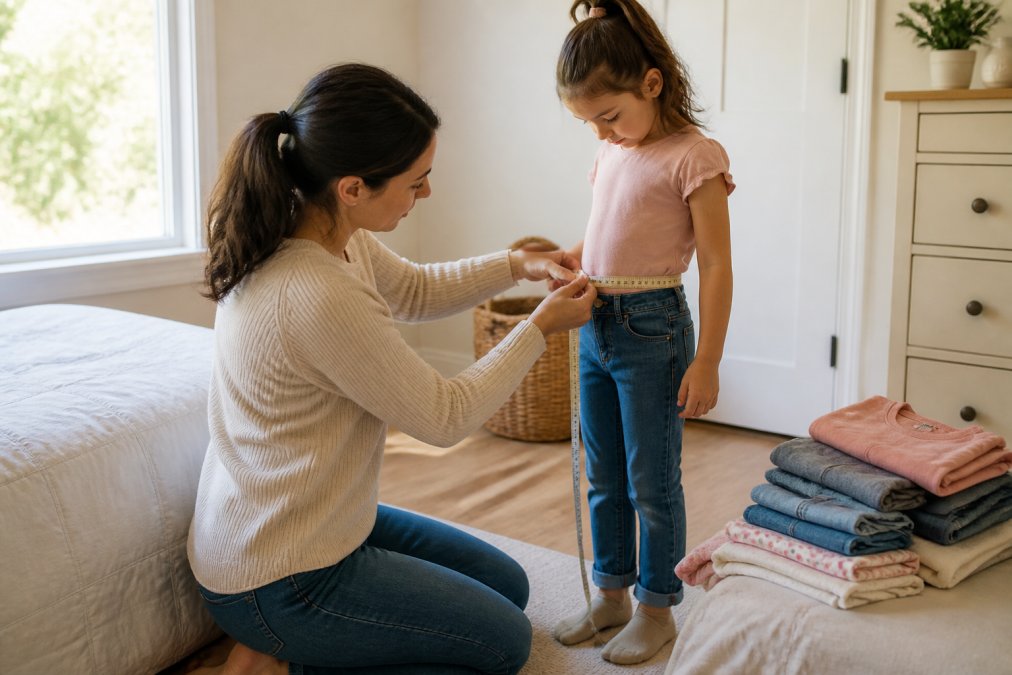
The Three Measurements That Matter Most
You need three numbers before you buy anything: chest, waist, and hip. Height matters too, especially for one-piece outfits.
- Chest: measure around the fullest part, keeping the tape level
- Waist: measure at the natural waistline, above the hip bone
- Hip: measure around the fullest part of the seat
- Height: measure from the top of the head to the floor, barefoot
When to Size Up and When to Size Down
Size up when your child is between sizes, when the fabric has little stretch, or during a growth spurt. Size down only when a brand's chart runs generously and the item is meant to fit close.
How to Build a Capsule Wardrobe for Kids
A capsule wardrobe for kids is a small, coordinated set of pieces that mix and match, so getting dressed takes seconds and nothing sits unworn. The goal is fewer items that all work together, not a packed closet.
The 10-Piece Starter Formula
Build around neutral bases and a couple of accent colors:
- Two pairs of everyday pants (denim or twill)
- Two plain tees or tops in solid colors
- One button-down shirt for dressier days
- One long-sleeve layer or sweater
- One dress or romper
- One set of pajamas
- One pair of shorts
- One pair of comfortable shoes
The Cost-Per-Wear Math
Cost per wear = purchase price ÷ number of times worn
How Many Pieces by Age
The 10-piece formula works for a preschooler. Older kids need more because they have more social contexts (school, sports, weekends) and they sweat more, which means more laundry cycles per week.
- Ages 2-5: 8 to 12 pieces is plenty. Laundry runs twice a week.
- Ages 6-9: 12 to 16 pieces. School uniforms or dress codes may change the mix.
- Ages 10-13: 16 to 20 pieces. Tweens want variety, and their bodies change fast enough that a rigid capsule breaks down.
Why the Capsule Works Psychologically
Decision fatigue is real, and it hits kids harder than adults because their executive function is still developing. A closet with 40 options produces more morning friction than a closet with 12. Parents who switch to a capsule consistently report fewer morning arguments, not because the clothes are better, but because the choice is smaller.
The Hand-Me-Down Multiplier
A capsule built around classic colors and durable fabrics doesn't just serve one child. It serves two or three. A neutral base layer that survives 60 wears with the first child often survives 40 more with the second, which pushes cost per wear below $0.30. That's the sustainability angle most capsule guides miss: the cheapest, greenest garment is the one that gets worn by multiple kids before it's retired.
Stylish Clothes for Tween Girls 2026: What's Actually Selling
Tweens have opinions, and ignoring them wastes money. But the reason most tween purchases fail isn't taste, it's fit. Between roughly ages 8 and 12, kids often grow 2 to 3 inches a year, and their proportions shift faster than their height. Shoulders widen, torsos lengthen, and the waist-to-hip ratio changes. A garment that fit in March can be unwearable by September, which is why the tween category has the highest return rate of any kids' segment for many online sellers.
That single fact reshapes what's actually selling in 2026.
What's Moving Right Now
- Adjustable waists. Drawstring or elastic-with-buttonhole waists let a garment survive a growth spurt instead of being outgrown in one season.
- Stretch-forward woven fabrics. Cotton-spandex and cotton-modal blends hold shape through repeated washing better than stiff 100% cotton, which matters when a tween wears the same item twice a week.
- Relaxed but structured fits. Oversized everything reads sloppy in photos; a relaxed cut with a defined shoulder seam photographs better and gets worn more.
- Mix-and-match separates. Tweens build outfits around one 'hero' piece and neutral bases, so separates that pair with at least three other items in the closet get worn far more than single-occasion outfits.
- Colors the tween picks herself. Choice is the point. A parent who buys the 'safe' color often watches it sit unworn.
The Fit Details That Actually Matter
When you're reading a size chart for a tween, three measurements predict whether a garment will last a full season:
- Shoulder-to-shoulder width. This is the hardest measurement to alter and the first to fail when a child grows. If the shoulder seam sits past the natural shoulder line, the garment is already too big.
- Sleeve length from shoulder seam to cuff. A sleeve that's 1 inch too long is fine; 2 inches too long means it will drag and get pushed up constantly.
- Inseam. For pants, inseam matters more than waist size for tweens, because leg length grows faster than waist circumference during this stage.
The Psychology of Letting Them Choose
Tweens are forming their own identity, and clothing is one of the first tools they use to do it. Research on child development consistently shows that giving kids a bounded choice, a curated set of options rather than unlimited freedom, produces better outcomes than either extreme. In practice, that means presenting three or four pre-vetted pieces and letting the tween pick which one.
Judge Fabric Quality Before You Buy
You can't touch fabric through a screen, so learn to read the label instead. Fabric content tells you how a garment will wear, wash, and hold up over time.
- Cotton: breathable, easy to wash, can shrink if not pre-shrunk
- Cotton-spandex blends: add stretch and keep shape
- Bamboo viscose: soft and gentle on sensitive skin, good for sleepwear
- Polyester blends: durable and wrinkle-resistant, less breathable
Return Policies, Shipping, and Restock Reality
A clear return policy is the single biggest risk-reducer when buying kids' clothing online. Before you check out anywhere, find three things: the return window, who pays return shipping, and whether sale items are final.
| What to Check | Why It Matters | What to Look For |
|---|---|---|
| Return window | Limits how long you have to decide | At least 14-30 days |
| Return shipping cost | Affects true total cost | Free or prepaid label |
| Sale item rules | Many stores exclude discounts | Clear final-sale labeling |
| Restock frequency | Determines if sold-out items return | Posted restock schedule |
| Exchange options | Avoids refund-and-rebuy hassle | Size exchanges allowed |
Why Parents Buy: The Psychology Behind Online Kids Clothing Purchases
Parents don't buy kids' clothing the way they buy their own. The decision is emotional first, practical second, and that shapes everything from the photos a brand uses to the reviews shoppers trust.
Three forces drive the purchase:
- Guilt and convenience: parents want good choices without a store trip
- Social proof: real customer photos beat polished model shots every time
- Value framing: cost per wear matters more than sticker price
Shopping Sustainably Without Paying More
Sustainable kids' clothing doesn't have to mean expensive. The cheapest garment is the one that gets worn for years and then passed on, so durability and resale value are sustainability levers, not just cost savers.
Practical ways to shop more sustainably:
- Buy fewer, better-made pieces that survive multiple children
- Choose classic colors and cuts over fast-moving trends
- Resell or hand down outgrown items
- Check fabric content, since natural fibers break down more cleanly
Frequently Asked Questions
How do I accurately measure my child for online clothing purchases?
Use a soft measuring tape and take three measurements: chest at the fullest point, waist at the natural bend, and hip at the widest point. Measure over light clothing, keep the tape snug but not tight, and write the numbers down. Compare against each brand's own size chart rather than assuming a 5T fits the same everywhere. Retake measurements every three to four months during growth spurts, since children can jump a full size in a single season.
What should I look for in return policies when buying kids' apparel online?
Check the return window length, who pays return shipping, and whether items must have original tags attached. Some boutiques offer store credit only, while others refund to the original payment method. Read the fine print on sale items, since many stores mark those final sale. If you are ordering a size you have not tried before, a 30-day window with free return shipping removes most of the risk from buying online kids clothing without a fitting room.
How can I save money while shopping for children's clothing online?
Buy off-season for the following year, build a capsule wardrobe so every piece mixes with the others, and skip trendy items that only work with one outfit. Bundling sets like pajama pairs or dress-and-bloomers combos often costs less per piece than buying separates. Sign up for restock alerts instead of paying resale markups, and check whether a boutique offers free shipping thresholds before adding filler items to your cart.
Are there specific fabrics that are best for active children?
Cotton blends with a small amount of spandex move with kids and hold their shape through repeated washing. Bamboo viscose, like the fabric used in SoftSnooze pajamas, is breathable and gentle on sensitive skin, which helps with kids who complain about scratchy tags or seams. For everyday play, look for woven cotton shirts and knit rompers that can handle machine washing. Always check the care label: cold water and low tumble dry keeps elastic and color intact longer.
Kids' clothing shopping online gets easier the moment you stop guessing and start measuring. MK Collective was built for exactly this: a family-focused boutique founded by Mallory and Kasey, with thoughtfully curated pieces for women and children in one convenient place. From bamboo viscose sleepwear to everyday separates, every item is handpicked for comfort and value. Explore the full collection and find pieces your family will actually wear.